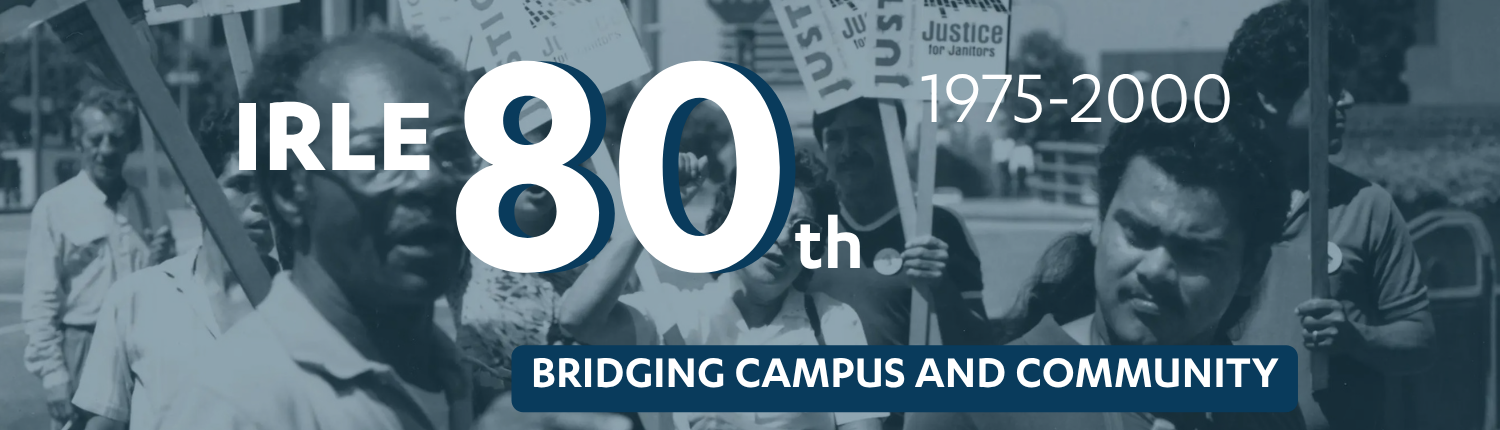
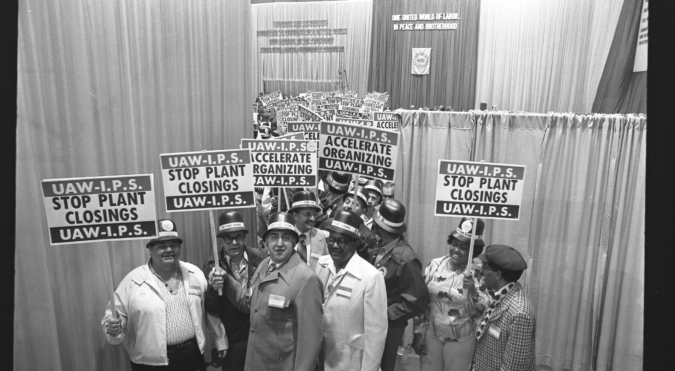
The Los Angeles economy changed dramatically in the final quarter of the twentieth century. From 1975 to 1985, factory closures left more than 75,000 workers unemployed. Remaining industrial employers laid off thousands more and pushed unions to accept wage and benefit cuts. By IIR’s 40th Anniversary Conference in 1985, presided over by Institute director Daniel Mitchell, industrial relations scholars openly debated whether collective bargaining was still a viable model of workplace governance.
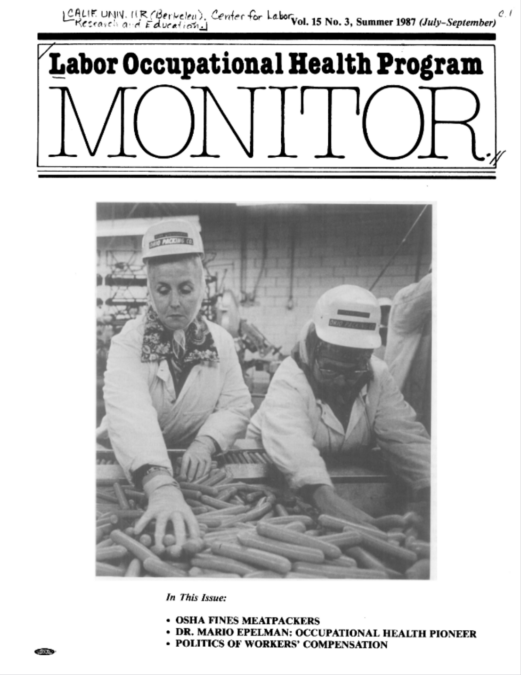
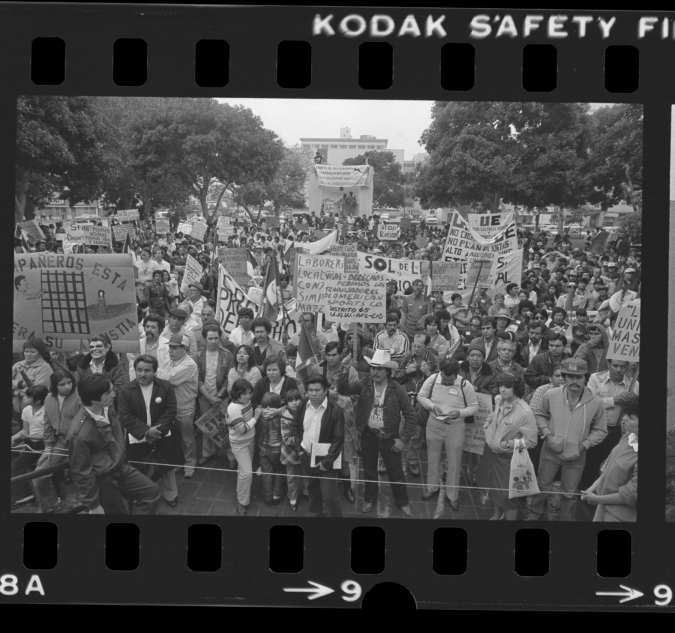
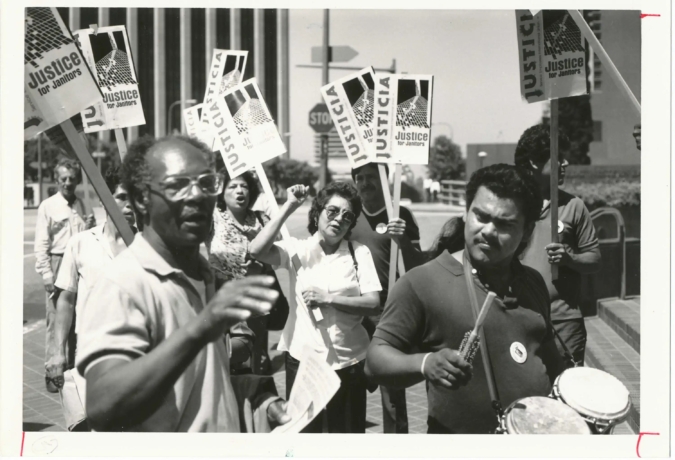
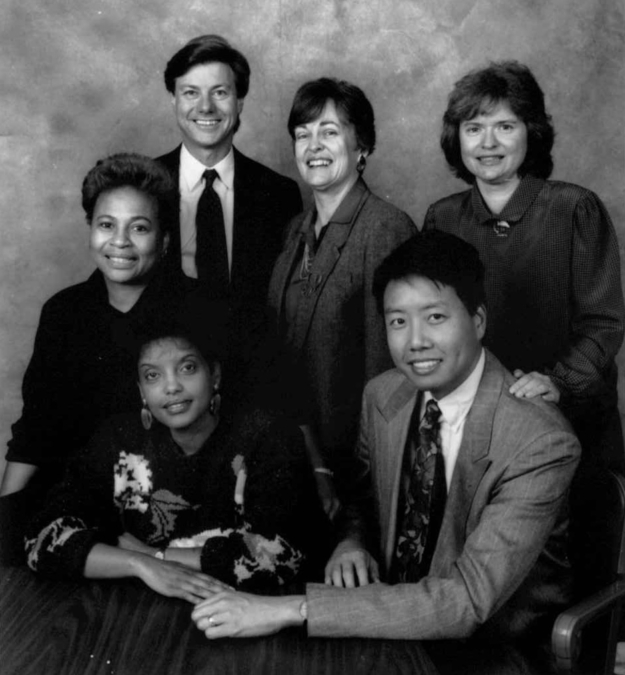
As the heyday of industry-wide collective bargaining passed, a wave of immigrants seeking economic opportunity reshaped the Los Angeles workforce. Many new arrivals found low-wage jobs in the growing service sector, where local employers deployed multilayered subcontracting arrangements to impede unionization. As workers and unions strategized new ways to organize an increasingly global city, the Institute was once again a strategic partner. IIR staff, led by Marianne Brown, partnered with the local and federal government to develop the Labor Occupational Safety and Health (LOSH) program, one of the first of its kind in the nation. The Institute also launched the Human Resources Roundtable (HARRT) in 1986, bringing together HR professionals for training and professional development.
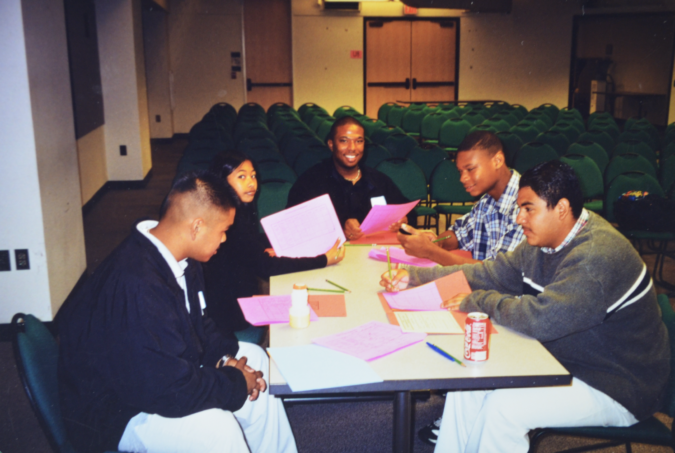
In 1991, the UCLA Labor Center welcomed a new director, labor lawyer and community organizer Kent Wong, who would lead the center for the next three decades. As part of a cohort of activists mentored in nonviolent resistance and movement-building by the Reverend James Lawson Jr., Wong maintained close ties with unions at the forefront of organizing low-wage, immigrant and Black workers. Labor Center staff held Spanish-language training programs for workers on the Westwood campus, hosted a national Teach-In on the New Labor Movement and partnered with the AFL-CIO to train college students as union organizers in the “Union Summer” program.
New faculty perspectives also shaped the Institute’s programming. Faculty and researchers in the Department of Urban Planning, including Edward Soja, Jacqueline Leavitt, Gilda Haas and Goetz Wolff, expanded the community-engaged research approach, advancing new ways of thinking about race, space and who belongs in the city. The Community Scholars program created a model for collaborative research in which graduate students and community members studied a problem together and proposed concrete actions. The Community Scholars program helped launch organizations like the L.A. Alliance for a New Economy (LAANE) and Strategic Actions for a Just Economy (SAJE), as well as the Los Angeles Manufacturing Action Project (LAMAP), a multi-union organizing campaign.