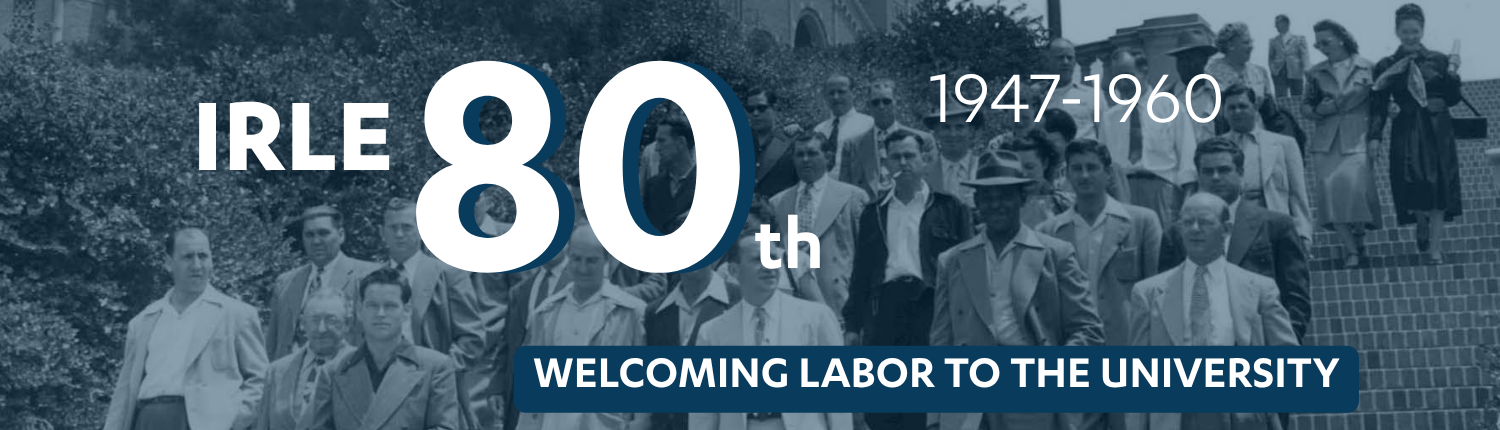
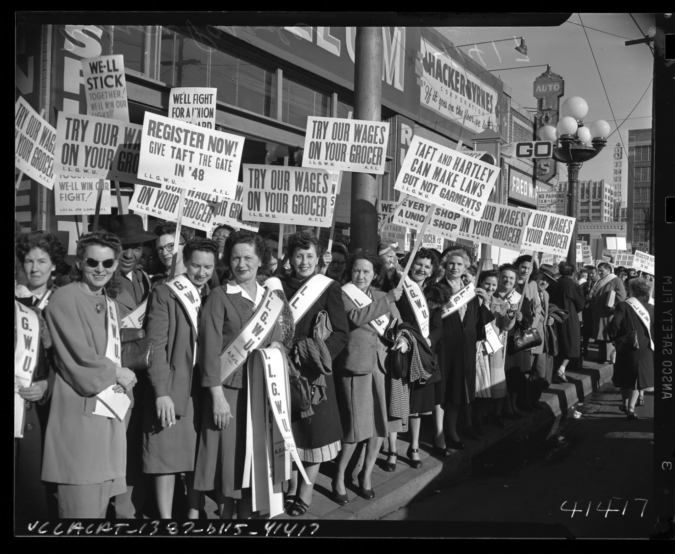
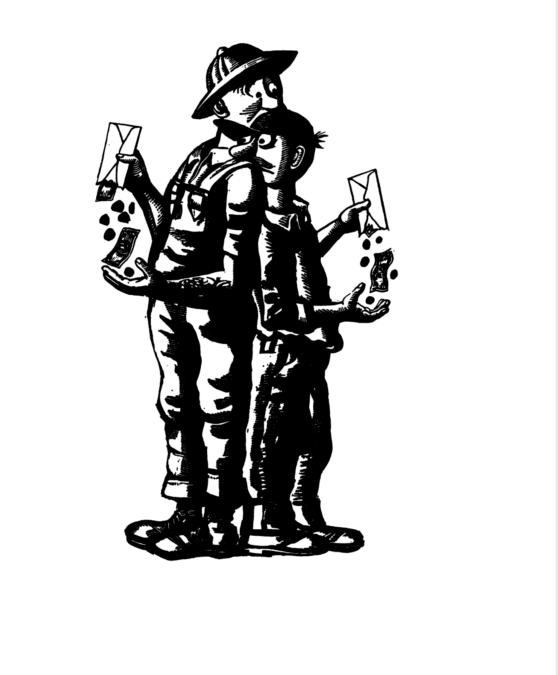
With tremendous investments made by the federal and state governments, UCLA grew to some twenty thousand students in the postwar period. Los Angeles industries expanded massively in the aftermath of wartime mobilization and the emergent consumer economy. While campus life could feel far away from the steel mills, auto plants and garment shops in the city’s humming manufacturing belt, IIR faculty brought the concerns of industrial life to Westwood. Their research explored the intricacies of collective bargaining agreements, puzzled over the changing nature of labor law and developed strategies for managing “human relations” at work.
Paul Dodd served briefly as the Institute’s director before becoming the Dean of the College of Letters and Science. Dodd was followed at the Institute by economist Edgar Warren, who had previously served on the U.S. Conciliation Service. During these years, faculty associated with the Institute taught undergraduate and graduate courses in economics, political science, psychology, business administration and history. The Institute also maintained a growing library collection that included contemporary scholarship and historical union journals and magazines.
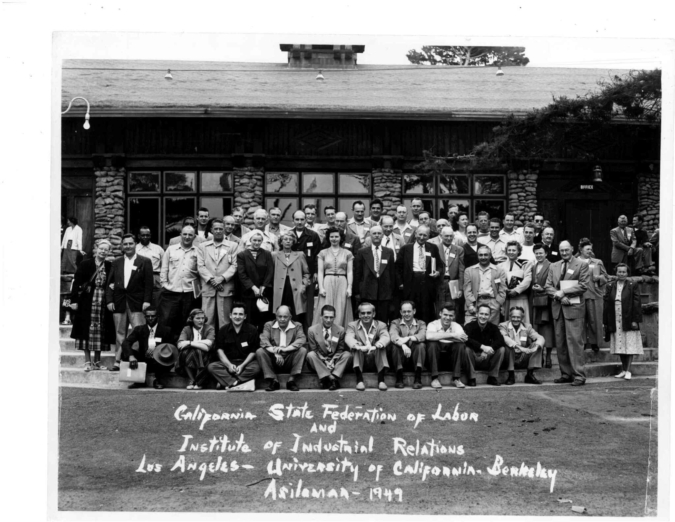
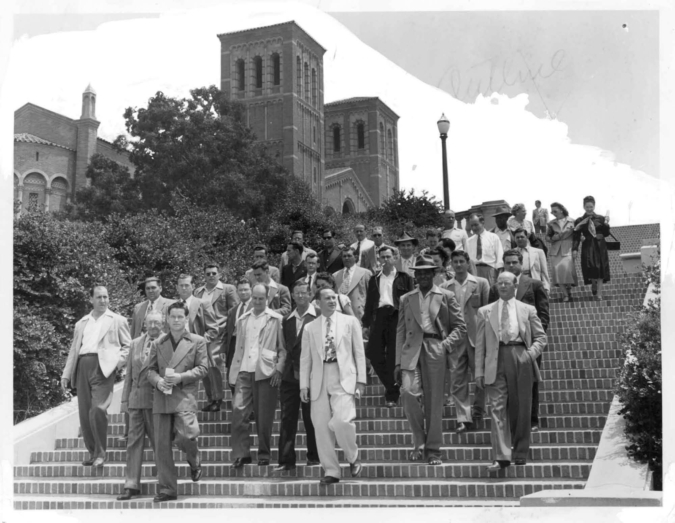
The Institute also developed a thriving extension program serving union workers, industrial managers and the general public. During summer months, the Institute hosted intensive training programs for leaders of the American Federation of Labor, the United Steelworkers and the International Ladies’ Garment Workers Union. The Institute also offered training classes for personnel managers and hosted an annual national conference in collaboration with the IIR at Berkeley. By the mid-1950s, a staff of four instructors taught more than 100 extension classes a year to over 3,000 working adults in Los Angeles, San Diego, Riverside and Ventura.
In the early years of the Cold War, however, the IIR’s outreach to labor unions also brought controversy. When the IIR invited British labor scholar Harold Laski to speak on campus in 1949, UCLA officials blocked the event as part of a wider effort to prevent leftists from speaking on campus. Shortly after, the Regents issued a new anti-communist loyalty oath that marked the limits of academic freedom on campus.